Brain injury claims are the largest single personal injury category by value. The Judicial College Guidelines 17th edition (April 2024) puts very severe traumatic brain injury (TBI) at around £344,150-£493,000 for general damages alone - and that's before any special-damages component for lifetime care, case management, accommodation, therapy, equipment, Court of Protection costs, and loss of earnings. Total claim values for catastrophic TBI routinely run into the £5m-£20m range once those are added. The most serious cases - often involving young claimants with life expectancy to consider - can resolve through a combination of lump sums and Periodical Payment Orders.
Brain injury claims also cover a far wider spectrum - minor post-concussive symptoms that resolve in weeks, through to severe and life-changing disability. This page sets out how the JCG treats each tier, the clinical framework behind the valuation, and what special damages look like in a serious case.
Casibus works with SRA-regulated personal injury specialists on a no win, no fee basis. Every case depends on its evidence.
JCG 17th edition brain injury tiers
Very severe brain damage
The most catastrophic category. The injured person may have little or no language function, require full-time care, and have minimal meaningful environmental response. 17th edition general-damages range is around £344,150-£493,000. Whole-case settlements - lifetime care alone runs into the tens of thousands of pounds per year at professional rates, plus equipment, accommodation, Court of Protection, therapies and earnings - reach eight figures in the most serious young-claimant cases.
Moderately severe brain damage
Serious disability with substantial dependence on others. May have physical disability (hemiplegia, significant weakness), marked intellectual deficit, and personality change. General damages in the region of around £267,340-£344,150 under the 17th edition. Care, accommodation, and earnings loss drive the special-damages total.
Moderate brain damage
Three sub-tiers within moderate. At the top end, moderate to severe intellectual deficit, personality change, effect on sight, speech and the senses, with significant risk of epilepsy. At the bottom, cases where concentration and memory are affected and dependence on others for some activities is needed. Moderate general-damages figures span a broad range - from the mid-five figures to around £267,340.
Less severe brain damage
Injured person has made a good recovery and is able to take part in normal social life and return to work. Some residual problems with concentration, memory, mood, and susceptibility to fatigue. Minor epileptic risk may be a factor. General damages in the region of around £18,700-£52,550.
Minor brain or head injury
Brain damage, if any, is minimal. Awards turn on severity of initial injury, duration of symptoms, whether post-concussion syndrome (PCS) develops, and any persistent headache / fatigue / mood disturbance. General damages in the region of around £2,690-£15,580.
Traumatic brain injury - the clinical framework
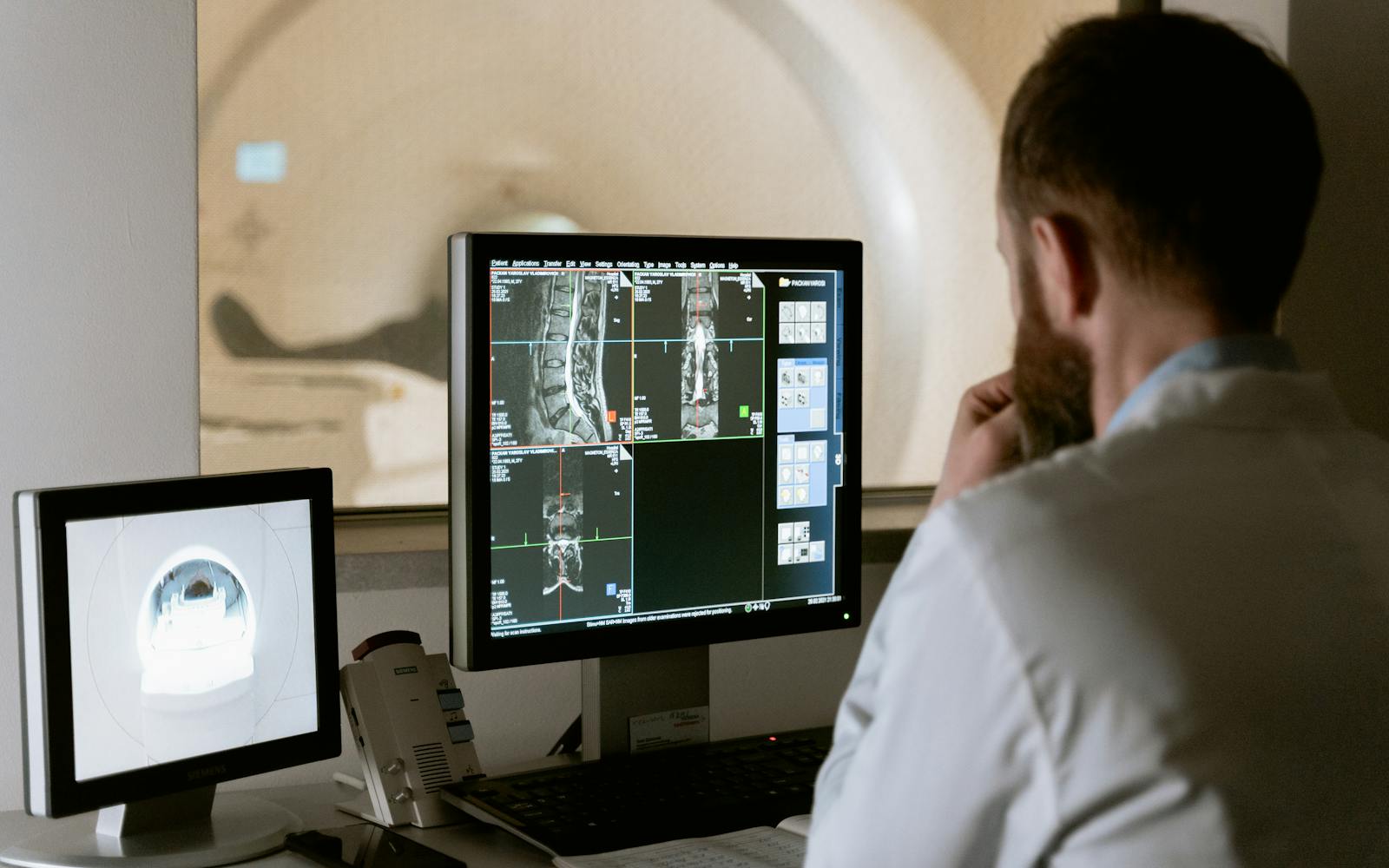
TBI is usually graded clinically by the Glasgow Coma Scale (GCS) at presentation: mild (GCS 13-15), moderate (GCS 9-12), severe (GCS 3-8). Imaging - CT is first-line, MRI adds detail - identifies contusions, diffuse axonal injury, subdural / extradural / subarachnoid haematoma, and skull fractures. Longer-term outcome is assessed with neuropsychology, functional assessment, and time. The NICE Head Injury guideline (CG176) is the clinical reference.
Post-concussion syndrome (PCS) is the constellation of headache, dizziness, fatigue, concentration and memory problems, mood disturbance and sleep disruption that can persist after even a mild head injury. Duration and severity vary enormously - resolution within three months is typical, but a minority of claimants remain symptomatic for years. Expert neuropsychology evidence is often decisive.
Capacity and deputyship - Mental Capacity Act 2005
A significant proportion of severe TBI claimants lack capacity to conduct litigation or manage their own financial affairs. The Mental Capacity Act 2005 sets out the two-stage test for capacity (diagnostic threshold + functional test). A claimant lacking litigation capacity is a 'protected party' under CPR 21 and must conduct their claim through a litigation friend (often a family member or a professional deputy). For managing their own money after a settlement, the Court of Protection appoints a deputy (a family member, a solicitor, or a professional trust corporation). Deputyship fees and Court of Protection visits are recoverable as a head of special damages.
Special damages - where the real money sits in catastrophic TBI
- 24-hour care - for the most severe cases, professional rates, multiple carers.
Common causes in our caseload
- RTA - front / rear-impact, motorcyclist vs car or HGV, cyclist or pedestrian struck, high-speed motorway crashes. See road traffic accidents.
Interim payments - standard in any serious TBI case
In any serious TBI claim, interim payments under CPR 25.6 are used to fund immediate care, therapy, accommodation adaptations, and equipment long before final settlement. The first interim is often made within weeks of liability being admitted or a strong liability case being established. Multiple further interims follow as needs evolve. See interim payments.
Periodical Payment Orders (PPOs)
In the largest claims, part of the settlement - typically the annual cost of care and loss of earnings - is paid as an index-linked annual payment for life (a PPO) rather than a single lump sum. This guards against the claimant outliving a lump sum, and guards against poor investment returns. The Damages Act 1996 s.2 (as amended) gives the court power to impose a PPO; most are agreed in negotiation. The annual PPO is indexed to ASHE 6115 (care worker earnings) for the care element, and typically RPI or CPI for other elements.