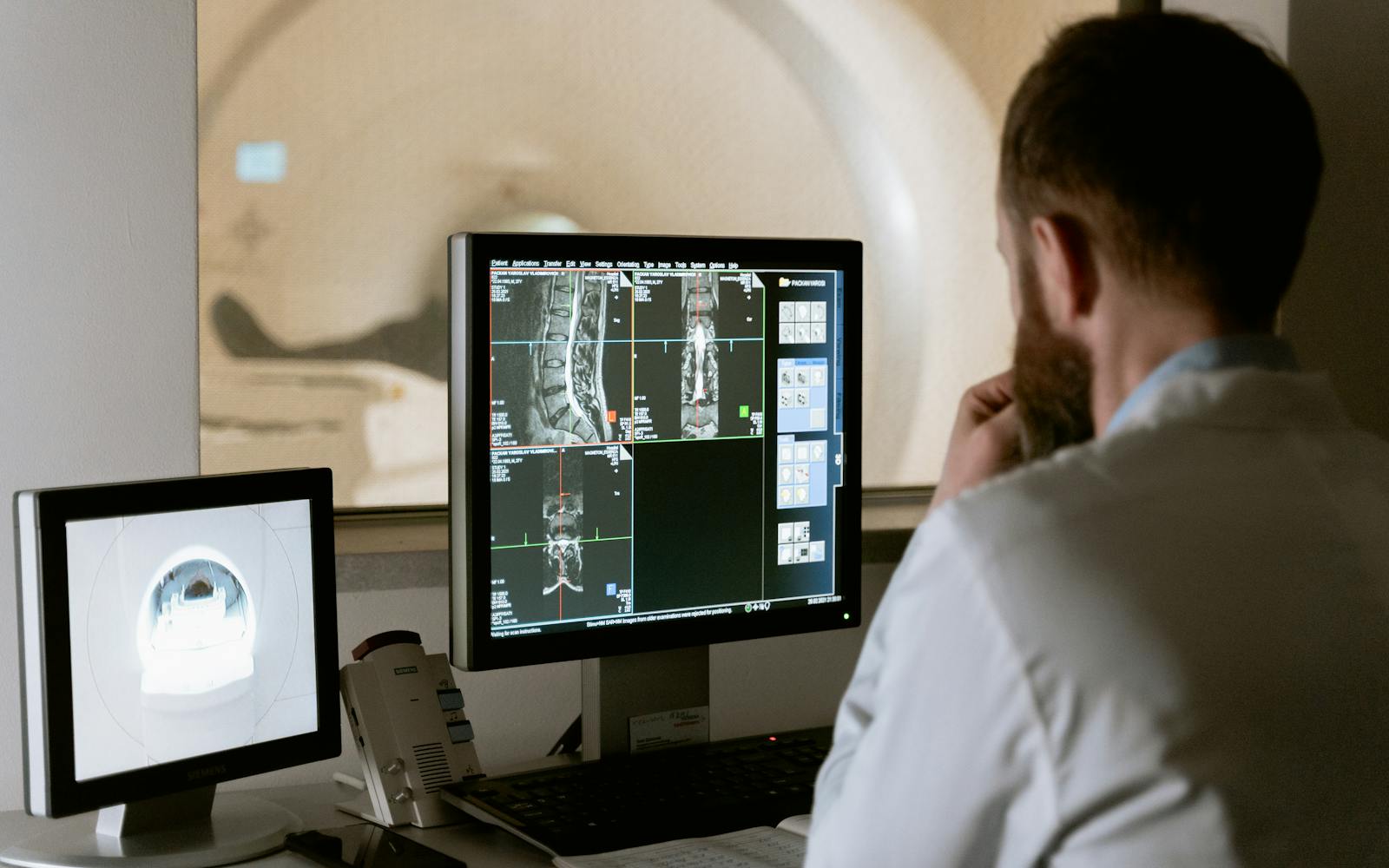
Toe injuries are most often under-reported - a simple fracture is sometimes dismissed as 'not worth claiming for'. That misses the JCG reality: toe injuries have their own distinct bracket, amputations of multiple toes attract mid four-figure to low five-figure general damages, and big-toe (hallux) injuries can support materially higher brackets because of the toe's role in push-off and weight-bearing. Where work was the cause and PPE / safe-system failures are identifiable, claim economics are typically straightforward.
Casibus works with SRA-regulated personal injury specialists on a no win, no fee basis. Every case depends on its evidence.
JCG 17th edition toe injury brackets
Amputation of all toes
Total loss of all toes on one foot. Moderate functional impact but lower than loss of foot itself. Upper four-figures to mid five-figures.
Amputation of the great toe (hallux)
Loss of the big toe has particular functional consequence for push-off and balance. Mid four-figures to low five-figures.
Severe toe injuries
Serious crush injuries to one or both big toes, or multiple toes involving bursting-type wounds, fractures or lacerations, and resulting in significant deformity and permanent disability. Mid four-figures.
Serious toe injuries
Crush and multiple fracture cases with permanent deformity but less lasting impact than severe.
Moderate toe injuries
Relatively straightforward fractures or the exacerbation of pre-existing degenerative conditions. Low four-figures.
Modest / minor toe injuries
Single fractures of a minor toe, lacerations, contusions, with uncomplicated recovery. High three-figures to low four-figures.
Common clinical patterns we see
- Dropped-object toe crush - industrial / warehouse claim. PPE failure (no safety footwear / defective safety footwear / working with safety footwear removed).
Routes to a toe injury claim
- Work - dropped object (PUWER 1998 + PPE at Work Regulations 2022); forklift / MHE run-over (LOLER 1998 + PUWER 1998 + safe system of work); machinery amputation. See factory accident claims, warehouse accident claims, defective equipment.
Why toe injuries are under-claimed - and shouldn't be
A common misconception is that toe injuries 'aren't worth claiming for'. Three observations correct that: (1) the JCG toe bracket is a real category with real figures - an amputated great toe sits in the mid four-figures to low five-figures general damages alone; (2) special damages often add significantly - loss of earnings during healing, private physiotherapy, adapted footwear, future orthopaedic review; (3) many toe injuries are caused by clearly-identifiable PPE or system-of-work failures, making liability straightforward. A free claim check takes ten minutes and costs you nothing.
Special damages in toe claims
- Physiotherapy.